客服热线 4000-0000-00

China Travel Guide

Everything you need to know for an unforgettable trip to China

Complete Chengdu Travel Guide 2026

Complete Chengdu Travel Guide 2026

Basic Travel Information

Best Travel Time: March to May and September to November. The spring season features mild weather and blooming flowers, while autumn boasts crisp air and comfortable temperatures. Summer is hot and humid, and winter is mild with rare cold snaps, suitable for indoor cultural visits and food tours.
Suggested Stay: 3–5 days. 3 days is enough to experience core city highlights, and 4–5 days allows you to explore surrounding scenic spots like Dujiangyan and Leshan Giant Buddha.
City Vibe: Slow-paced, friendly, safe and inclusive. Different from the fast rhythm of first-tier Chinese cities, Chengdu emphasizes relaxation and enjoyment, making it extremely suitable for casual travel.

3-Day Classic Itinerary (City Core)

Day 1: Panda & Urban Leisure

Morning: Visit Chengdu Research Base of Giant Panda Breeding. It is best to arrive before 9:00 AM, as pandas are most active and lively in the morning, especially during feeding time. You can see giant pandas, red pandas and baby pandas, and enjoy lush bamboo forests.
Afternoon: Wander around Wide and Narrow Alleys (Kuanzhai Alleys). Consisting of three parallel ancient streets, it combines traditional Sichuan courtyard architecture with trendy shops, teahouses and folk culture stores, perfect for taking photos and experiencing local customs.
Evening: Stroll along Jinli Ancient Street. The night view here is extremely stunning. You can taste street snacks, watch Sichuan opera performances and experience the prosperous night culture of ancient Shu.

Day 2: Culture & History Exploration

Morning: Explore Wuhou Shrine, the most famous memorial temple dedicated to Zhuge Liang, a legendary strategist from the Three Kingdoms period. It features ancient cypresses, classical Chinese gardens and profound Three Kingdoms culture.
Afternoon: Visit Du Fu Thatched Cottage. It is the former residence of Du Fu, one of the greatest poets in Chinese history. The serene garden with pavilions, ponds and bamboo woods creates a poetic and peaceful atmosphere.
Evening: Chunxi Road Pedestrian Street. As the most bustling commercial center in Chengdu, it gathers shopping malls, specialty stores and trendy restaurants, ideal for evening shopping and casual dining.

Day 3: Civilization & Local Life

Morning: Tour Sanxingdui Museum. It displays mysterious and exquisite cultural relics of the ancient Shu civilization, including iconic bronze masks, bronze sacred trees and golden artifacts, shocking every visitor with its unique ancient civilization charm.
Afternoon: Experience local tea culture at a Chengdu teahouse. Try Sichuan-style tea, watch traditional ear cleaning performances and enjoy the slow local lifestyle.
Evening: Taste authentic Sichuan hotpot to end your Chengdu journey.

Must-Visit Attractions

1. Chengdu Research Base of Giant Panda Breeding

The top iconic attraction of Chengdu. It is a professional base for giant panda breeding, protection and research. Apart from watching lovely pandas, you can learn about panda protection knowledge. Opening hours: 7:30 AM – 6:00 PM (last entry at 5:00 PM). It is recommended to visit early to avoid crowds and hot weather.

2. Sanxingdui Museum

A world-famous ancient civilization museum. The unearthed relics subvert people’s cognition of ancient Chinese civilization, with unique and bizarre shapes, representing the splendid and mysterious ancient Shu culture. It is a must-visit spot for history and culture enthusiasts.

3. Dujiangyan Irrigation System (Suburban Day Trip)

A 2000-year-old world cultural heritage and the oldest existing water conservancy project in the world. It perfectly combines human wisdom and natural landscape, with green mountains and clear waters. It is only 1 hour’s drive from downtown Chengdu, suitable for a one-day trip.

4. Leshan Giant Buddha (Suburban Day Trip)

The largest stone Buddha statue in the world, carved in the Tang Dynasty. Standing by the confluence of three rivers, the grand Buddha statue is breathtaking. It can be visited together with Mount Emei for a two-day trip.

5. Jinli Ancient Street & Kuanzhai Alleys

Two representative ancient streets in Chengdu. Jinli focuses on traditional folk culture and night scenery, while Kuanzhai Alleys integrate ancient architecture and modern fashion. Both are great places to experience Sichuan folk customs, take photos and taste snacks.

Must-Try Local Food

Chengdu is hailed as a “gourmet paradise”. Sichuan cuisine is famous for its spicy, numbing and rich flavors, with diverse snacks and dishes.

Signature Dishes

  • Sichuan Hotpot: The soul of Chengdu food. Spicy red oil broth with various fresh ingredients, featuring numbing and spicy taste. Recommended brands: Xiaolongkan, Dalongyi, Shu Daxia.

  • Twice-Cooked Pork: A classic Sichuan home-cooked dish with crispy pork and fragrant spicy sauce, addictive with rice.

  • Kung Pao Chicken: Sweet, sour and slightly spicy, with tender chicken and crispy peanuts, famous at home and abroad.

Classic Snacks

  • Dan Dan Noodles: Spicy and savory noodles with minced meat, a representative Sichuan noodle dish.

  • Spicy Tofu Pudding: Soft tofu with spicy seasoning, smooth and refreshing.

  • Sugar-Fried Chestnuts & Egg Tarts: Popular local desserts to relieve spiciness.

  • Cold Noodles and Spicy Rabbit Head: Unique local specialty, favored by Chengdu locals.

Food Street Recommendation: Jianshe Road Food Street, gathering numerous affordable and authentic snack stalls, popular among locals and tourists.

Transportation Guide

Arrival in Chengdu

  • Airport: Chengdu Shuangliu International Airport (CTU, close to downtown) and Tianfu International Airport (TFU, new international airport). Take Metro Line 10 from Shuangliu Airport to city center (40 minutes), and Line 18 from Tianfu Airport to downtown (90 minutes).

  • High-speed Railway: Chengdu East Railway Station and Chengdu North Railway Station, with direct high-speed trains to major cities in China.

City Transportation

  • Metro: The most convenient travel method. The metro network covers almost all core attractions. You can use Alipay or WeChat to get an electronic ride code for direct entry and exit.

  • Shared Bikes: Chengdu is a flat city with complete bike lanes. Riding shared bikes is perfect for short-distance travel in scenic areas and old streets.

  • Taxis & Online Car-Hailing: Safe and affordable, suitable for night travel and group travel.

Accommodation Recommendation

Choose accommodation according to your travel needs, with three core convenient areas:
  • Chunxi Road Area: Central downtown, convenient for shopping, dining and transportation, suitable for tourists who prefer modern urban life.

  • Wuhou & Jinli Area: Surrounded by cultural attractions, with numerous teahouses and specialty homestays, perfect for culture lovers.

  • Kuanzhai Alleys Area: Quiet and elegant, with many characteristic courtyard homestays, suitable for leisure vacationers.

Practical Travel Tips

  • Panda Visit Tip: Visit the panda base before 9:00 AM for the best viewing experience; pandas sleep and rest in the afternoon with low activity.

  • Spicy Food Tip: Sichuan food is famous for being spicy and numbing. You can ask for “less spicy” when ordering, and prepare milk or yogurt to relieve spiciness.

  • Cultural Experience: Don’t miss Sichuan opera face-changing shows and local tea house performances, which are unique Sichuan cultural symbols.

  • Payment: Mobile payment (Alipay/WeChat Pay) is widely used in Chengdu. Cash is rarely needed, but you can prepare a small amount for small stalls.

  • Climate Prep: The sun is strong in spring and summer, so prepare sunscreen. It is humid all year round, so keep moisturizing.

Final Travel Summary

Chengdu is a city that combines cuteness, delicious food, history and leisure. Here, you can watch lovely giant pandas, taste top-tier Sichuan delicacies, feel the charm of ancient Shu civilization, and slow down to enjoy life. Whether you are traveling alone, with friends or with family, you can find your own travel fun in Chengdu.


Complete Xi’an Travel Guide 2026

Complete Xi’an Travel Guide 2026

Basic Travel Information

Best Travel Time: March to May and September to November are the prime travel seasons. Spring features mild temperatures and blooming flowers, while autumn has clear skies and refreshing air, ideal for sightseeing and outdoor activities. Summer is hot and dry, and winter is cold with occasional light snow, suitable for indoor museum visits and cultural experience tours.
Suggested Stay: 3–4 days. A 3-day itinerary covers all core classic attractions in urban and suburban areas, while a 4-day trip allows in-depth exploration of local culture, ancient streets and niche scenic spots for a more immersive travel experience.
City Vibe: Majestic, profound, antique and down-to-earth. The city is rooted in thousands of years of imperial history, with ancient city walls, bell towers and cultural relics everywhere. Meanwhile, it retains strong folk customs and lively street-market atmosphere, balancing grand historical charm and warm daily vitality.

3-Day Classic Xi’an Itinerary (Core Golden Route)

Day 1: Urban Ancient Charm & City Landmarks

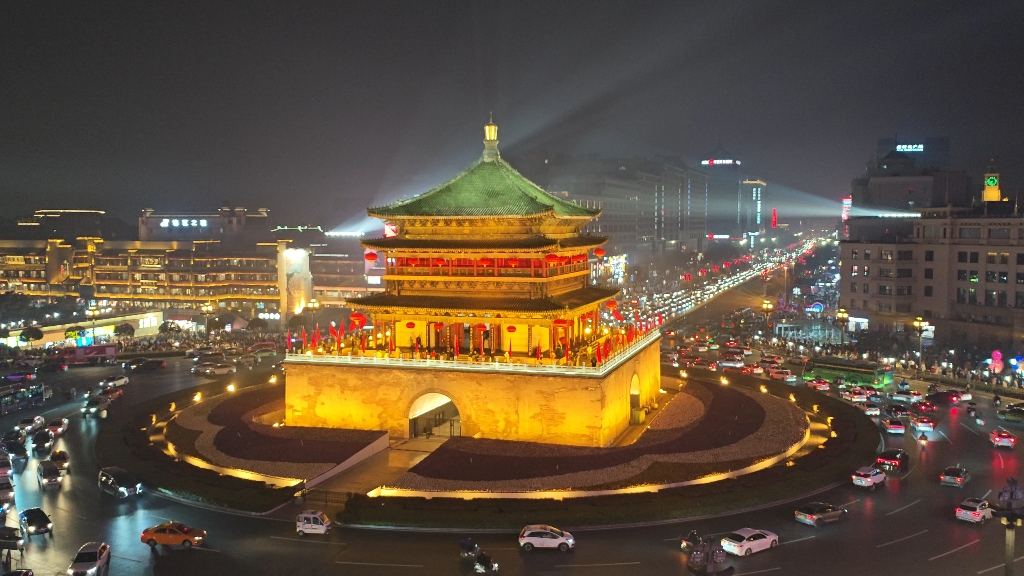
Morning: Visit Xi’an Bell Tower and Drum Tower, the iconic symbols of the ancient city. Standing in the city center, the two ancient buildings have witnessed the vicissitudes of Chang’an for hundreds of years, with exquisite ancient architectural craftsmanship and profound historical connotations.
Afternoon: Cycle on Xi’an City Wall. As one of the best-preserved and largest ancient city walls in China, the 14-kilometer-long wall offers a panoramic view of the old and new urban scenery. Rent a bicycle to feel the unique charm of walking through ancient and modern times.
Evening: Wander around Muslim Quarter and Sajinqiao Food Street. Taste authentic Xi’an snacks, experience the lively night market atmosphere and unique ethnic customs, and enjoy the bustling night scene of the ancient capital.

Day 2: World-Famous Historical Wonders

Morning: Explore the Terracotta Army Museum, honored as the “Eighth Wonder of the World”. The magnificent underground terracotta army of the Qin Dynasty presents the powerful national strength and exquisite craftsmanship of the Qin Empire, shocking every visitor with its grand scale and vivid details.
Afternoon: Visit Huaqing Palace, a famous imperial garden with a history of thousands of years. It is renowned for natural hot springs and the legendary love story between Emperor Xuanzong and Yang Guifei, with elegant garden scenery and profound cultural heritage.
Evening: Watch the live performance Song of Everlasting Sorrow at Huaqing Palace. The grand real-scene show combines light, shadow, music and dance, perfectly reproducing the touching ancient love story and the prosperity of the Tang Dynasty.

Day 3: Tang Dynasty Culture & Civilian Life

Morning: Visit Shaanxi History Museum, a first-class national museum. It collects a large number of precious cultural relics spanning thousands of years, systematically showing the historical evolution and splendid civilization of Shaanxi and even the whole China, being a veritable “treasure house of Chinese history”.
Afternoon: Tour Giant Wild Goose Pagoda and Da Ci’en Temple. As a landmark of Tang Dynasty Buddhism culture, the ancient pagoda stands tall and straight, carrying the history of Buddhist scripture translation and cultural exchange in the Tang Dynasty. The surrounding ancient architectural complex is solemn and elegant.
Evening: Stroll through Tang Paradise and Datang Everbright City. The neon-lit streets, antique buildings and wonderful street performances perfectly restore the prosperous scene of the Chang’an City in the Tang Dynasty, bringing an immersive ancient capital night tour experience.

Must-Visit Attractions

1. Terracotta Army Museum

A world-famous UNESCO World Heritage Site and the most iconic attraction of Xi’an. Built for the mausoleum of Emperor Qin Shi Huang, the museum houses thousands of life-sized terracotta warriors and horses with distinct facial features and neat formations. Pit 1 features a large-scale army formation, while Pit 2 displays diverse arms and exquisite cultural relics including the famous bronze chariots, fully demonstrating the supreme craftsmanship and military strength of the Qin Dynasty.

2. Xi’an City Wall

The most complete existing Ming Dynasty city wall in China, with a total circumference of 14 kilometers. The tall and solid wall, majestic city towers and neat ramparts retain the grand style of ancient imperial cities. Cycling or walking on the wall to overlook the city scenery is a classic and unmissable experience in Xi’an travel.

3. Giant Wild Goose Pagoda & Datang Everbright City

Giant Wild Goose Pagoda is a symbol of Chang’an’s prosperous Buddhist culture in the Tang Dynasty, with a history of more than 1,300 years. The adjacent Datang Everbright City is a pedestrian street themed on Tang Dynasty culture. With gorgeous night lights, antique architecture, vivid sculpture groups and wonderful street performances, it perfectly reproduces the prosperity of the Tang Dynasty capital and is the best place to experience Tang-style night charm.

4. Shaanxi History Museum

Known as the “Pearl of Chinese Museums”, it collects over 370,000 precious cultural relics ranging from prehistoric times to the Ming and Qing dynasties. The rich exhibits systematically record the historical changes of the ancient capital Chang’an and the evolution of Chinese civilization, allowing visitors to travel through thousands of years of history in a short time.

5. Huaqing Palace

A time-honored imperial hot spring resort nestled at the foot of Lishan Mountain. It integrates natural mountain scenery, hot spring resources and ancient royal garden architecture. It is not only a famous scenic spot for natural sightseeing, but also a classic cultural attraction carrying Tang Dynasty royal stories and modern historical memories.

6. Bell Tower & Drum Tower

Located in the geometric center of Xi’an urban area, the Bell Tower and Drum Tower are the core landmarks of the ancient city. The two well-preserved ancient wooden buildings have exquisite roof ridges, painted beams and unique architectural styles, representing the highest level of ancient Chinese wooden architecture craftsmanship, and are the best places to feel the urban ancient charm of Xi’an.

Must-Try Local Food

Xi’an cuisine belongs to typical Shaanxi flavor, featuring salty, fragrant, sour and spicy tastes, focusing on wheat-based staple foods and hearty flavors. It has a wealth of time-honored delicacies and street snacks, known as a “northern food paradise”.

Signature Dishes

  • Roujiamo (Chinese Hamburger): The most famous Xi’an specialty. Crispy outer bun paired with tender slow-braised pork belly, full of rich sauce and mellow flavor, honored as the “top street food in China”.

  • Yangrou Paomo (Mutton Soup with Crumbled Bread): A classic Shaanxi traditional delicacy. Visitors crumble the bread into small pieces and soak it in rich mutton soup, matched with tender mutton and refreshing side dishes, warm and nourishing.

  • Liangpi (Cold Noodles): A signature summer snack. Smooth and chewy cold rice noodles mixed with spicy sauce, vinegar, garlic and sesame oil, sour and spicy, refreshing and appetizing.

  • Braised Noodles with Gravy: A hearty northern staple food. Thick noodles paired with rich vegetable and meat gravy, salty and fragrant, full of local folk flavor.

Classic Snacks & Desserts

  • Crispy Fried Persimmon Cake: A traditional Shaanxi dessert with crispy outer skin and sweet glutinous filling, fragrant and not greasy.

  • Gourd Chicken: A unique local snack with crispy skin and tender chicken meat, seasoned with exclusive spices, rich in flavor.

  • Sour Plum Soup: A classic traditional drink, sweet and sour, perfect for relieving greasiness and heat.

  • Steamed Glutinous Rice Cake: Soft and glutinous rice cake with sweet osmanthus syrup, with strong northern folk characteristics.

Transportation Guide

Arrival in Xi’an

  • Airport: Xi’an Xianyang International Airport (XIY), an important aviation hub in northwest China, with direct flights to major domestic and international cities. You can take airport shuttle buses, metro Line 14 or online car-hailing to reach the urban area conveniently.

  • High-speed Railway & Train: Xi’an North Railway Station is the main high-speed rail hub, with frequent high-speed trains connecting major cities across the country. Xi’an Railway Station is close to the old urban area, convenient for accessing core scenic spots.

City & Suburban Transportation

  • Metro: The most convenient urban transportation. The metro network covers Bell Tower, Giant Wild Goose Pagoda, City Wall and other core attractions, supporting WeChat and Alipay electronic code riding.

  • Tourism Bus & Suburban Bus: Special tourism lines connect the urban area with Terracotta Army and Huaqing Palace, with low fares and stable operation, suitable for budget travel.

  • Chartered Car & Online Car-Hailing: Flexible and time-saving, very suitable for one-day trips to suburban scenic spots.

  • Shared Bikes: Perfect for short-distance travel in the old urban area, such as traveling around the City Wall and ancient streets.

Accommodation Recommendation

  • Bell Tower & Drum Tower Area: The most popular accommodation area. Located in the city center, surrounded by scenic spots, food streets and shopping malls, with complete supporting facilities and extremely convenient transportation, suitable for most tourists.

  • Datang Everbright City Area: Suitable for travelers who love night scenery and Tang-style culture. There are many theme hotels and boutique homestays with antique styles, allowing you to enjoy the gorgeous night view of the Tang-style ancient capital at any time.

  • Xiaozhai Area: A youthful commercial area with many cost-effective hotels and homestays, close to universities and food streets, suitable for student travelers and budget tourists.

Practical Travel Tips

  • Museum Reservation: Shaanxi History Museum and Terracotta Army Museum require advance online reservation, especially during peak tourist seasons. It is recommended to book tickets 3 days in advance to avoid no entry.

  • Best Sightseeing Time: Visit suburban scenic spots like Terracotta Army in the morning with comfortable temperature and fewer crowds. The City Wall and Datang Everbright City have the best scenery at night with gorgeous lights.

  • Food Tips: Xi’an snacks are mostly wheat-based and relatively greasy. Match with sour plum soup to relieve greasiness. Local flavors are slightly salty and spicy, you can adjust the taste when ordering.

  • Climate Adaptation: Xi’an has dry climate all year round. Prepare moisturizing products and drinking water. The temperature difference between morning and evening is large in spring and autumn, so wear layered clothes.

  • Cultural Experience: It is recommended to hire a professional interpreter for visiting historical museums and relics to better understand the profound historical and cultural stories behind the scenic spots.

Final Travel Summary

Xi’an is a city where thousands of years of history is alive. Every ancient wall, every brick and tile, and every traditional snack carries the memory of the prosperous Chang’an of the thirteen dynasties. Here, you can admire the grandeur of the Terracotta Army, feel the charm of Tang Dynasty prosperity, cycle through the ancient city wall to touch the traces of time, and taste authentic northern delicacies in lively street markets. A trip to Xi’an is not only a sightseeing tour, but also an in-depth dialogue with ancient Chinese civilization.


Complete Yunnan Travel Guide 2026

Complete Yunnan Travel Guide 2026

Basic Travel Information

Best Travel Time: Year-round travel friendly. The prime seasons are March to May and September to November. Spring brings blooming flowers in Dali and Kunming, while autumn features clear skies and breathtaking terrace scenery. Summer is cool and suitable for escaping the heat on the plateau, and winter is perfect for viewing snow mountains and tropical scenery in Xishuangbanna.
Suggested Stay: 5–7 days. A 5-day trip covers core classic routes including Kunming, Dali and Lijiang. A 7-day trip allows in-depth exploration of Shangri-La or Xishuangbanna for diverse landscape experiences.
City Vibe: Diverse, primitive, romantic and healing. Different from modern urban scenery, Yunnan combines pastoral leisure, plateau grandeur and exotic ethnic customs, ideal for relaxation, photography and cultural exploration.

5-Day Classic Yunnan Itinerary (Golden Route)

Day 1: Kunming – City & Stone Forest Sightseeing

Morning: Visit the Stone Forest (Shilin), a UNESCO World Heritage Site. It features spectacular karst limestone pillars formed over 270 million years, presenting a magical and otherworldly stone forest landscape. You can also experience the local Sani ethnic culture here.
Afternoon: Wander around Kunming Green Lake Park and enjoy the leisure local life. In winter, you can feed migratory seagulls, a signature scene of Kunming.
Evening: Stroll through Kunming Nanping Pedestrian Street, taste Yunnan specialty snacks and experience the city’s night vitality.

Day 2: Dali – Erhai Lake & Ancient Town

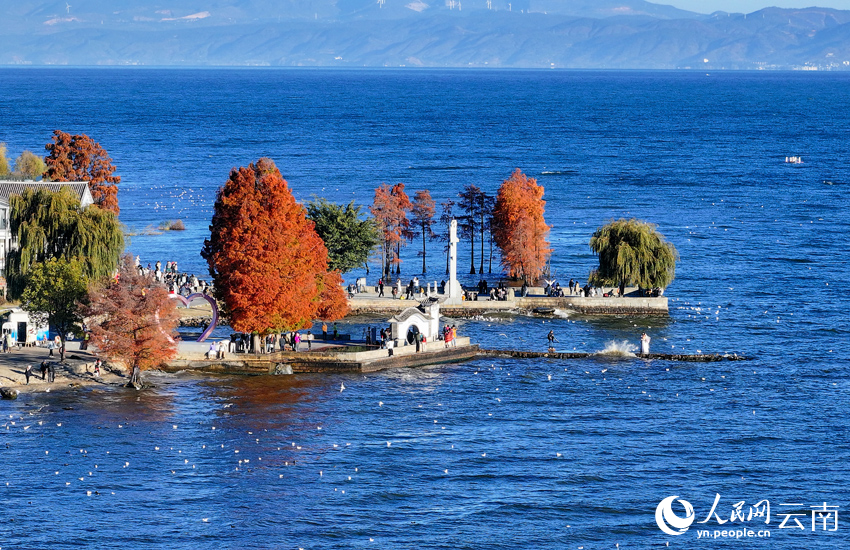
Morning: Take a car or bike to travel around Erhai Lake. Visit classic scenic spots such as Xizhou Ancient Town and Erhai Ecological Corridor, enjoying the blue lake water, green wetlands and pastoral scenery.
Afternoon: Explore Dali Ancient Town. Walk through the ancient city gates, stone streets and traditional Bai-style courtyards, and experience the quiet and ancient town atmosphere.
Evening: Watch the sunset at Erhai Lake, then stay in Dali Ancient Town to enjoy the peaceful night view and local folk performances.

Day 3: Dali – Cangshan Mountain & Ethnic Culture

Morning: Climb Cangshan Mountain by cable car. Overlook the entire Erhai Lake and Dali basin from the mountain top, enjoying alpine meadows, clear streams and sea of clouds.
Afternoon: Visit Xizhou Ancient Town to experience traditional Bai ethnic tie-dye craftsmanship and taste authentic Xizhou rice cakes.
Evening: Take a high-speed train to Lijiang and settle in Lijiang Ancient Town.

Day 4: Lijiang – Ancient Town & Jade Dragon Snow Mountain

Morning: Visit Jade Dragon Snow Mountain, the iconic scenic spot of Lijiang. Enjoy the grand snow-capped mountain scenery, clear Blue Moon Valley and alpine glaciers.
Afternoon: Wander around Blue Moon Valley, known as the “fairyland on earth”. The turquoise lake water matches snow mountains and forests, perfect for photography.
Evening: Walk through Lijiang Ancient Town, listen to local folk music, watch the ancient town night lights, and experience Naxi ethnic culture.

Day 5: Lijiang – Leisure & Departure

Morning: Visit Shuhe Ancient Town, a quiet and less commercial ancient town, retaining the original style of Naxi ancient villages.
Afternoon: Experience local Yunnan tea culture and Naxi handicrafts, then prepare for departure.

Must-Visit Attractions

1. Jade Dragon Snow Mountain (Lijiang)

A famous snow mountain scenic spot in southern China, with perennial snow on the peak. It integrates snow mountains, glaciers, alpine meadows and plateau lakes. Blue Moon Valley at the foot of the mountain boasts crystal-clear layered lake water with stunning colors, honored as the “Little Jiuzhaigou of Yunnan”. It is a top photography and sightseeing spot.

2. Erhai Lake & Dali Ancient Town (Dali)

Erhai Lake is the largest plateau lake in Yunnan, with vast lake water and winding ecological corridors. Cycling around the lake is a classic Yunnan travel experience. Dali Ancient Town features ancient city walls, traditional Bai-style architecture and slow-paced ethnic life, full of romantic and nostalgic atmosphere.

3. Stone Forest (Kunming)

A world-famous karst geological wonder and UNESCO World Heritage Site. Tens of thousands of towering limestone pillars form a magnificent stone forest landscape, which is unique and spectacular. It is also the hometown of the Sani ethnic group with rich folk customs.

4. Shangri-La Pudacuo National Park

A high-altitude wetland national park, known as a “plateau fairyland”. It features clear alpine lakes, vast meadows, dense forests and grazing yaks, presenting the most primitive and beautiful Tibetan plateau scenery. Songzanlin Monastery nearby is honored as the “Little Potala Palace”.

5. Yuanyang Rice Terraces

A UNESCO World Heritage Site carved by the Hani people over more than 1,300 years. The layered terraces are scattered on the mountain slopes. The flooded terraces in winter and spring reflect the sky and clouds, forming stunning landscape, especially breathtaking at sunrise and sunset.

6. Xishuangbanna Tropical Rainforest

Located in southern Yunnan, it has a tropical monsoon climate. The dense primeval rainforest, wild elephant valley and Dai ethnic villages present exotic tropical scenery. Visitors can experience rainforest hiking and unique Dai folk customs.

Must-Try Local Food

Yunnan cuisine features fresh, sweet, sour and spicy flavors, focusing on original tastes of ingredients. It is rich in ethnic characteristics with diverse special dishes and snacks.

Signature Dishes

  • Cross-Bridge Rice Noodles: The most famous Yunnan specialty. Fresh rice noodles are matched with rich chicken soup, various meat and vegetable side dishes, fresh and delicious, smooth in taste.

  • Yunnan Steam Pot Chicken: A traditional nourishing dish. The chicken is steamed slowly in a special steam pot, retaining the original fresh flavor of chicken soup, nutritious and mellow.

  • Bai Ethnic Fish in Erhai Lake: Fresh lake fish cooked with local sour spices, with a sour and refreshing taste, a classic Dali specialty.

  • Grilled Yaks Meat: A unique Tibetan flavor in Shangri-La, with tender meat and rich fragrance, full of plateau characteristics.

Classic Snacks & Desserts

  • Xizhou Rice Cake: A traditional Bai ethnic snack, soft and glutinous with sweet filling, fragrant and delicious.

  • Erkuai Rice Cake: A signature Kunming snack, fried or grilled with sauces, chewy and flavorful.

  • Wild Mushroom Hotpot: Yunnan is famous for abundant wild mushrooms. The mushroom hotpot is fresh and sweet, a must-try seasonal delicacy.

  • Dai Ethnic Pineapple Rice: Sweet and sour pineapple mixed with glutinous rice, with strong fruit fragrance, a popular Xishuangbanna specialty.

Transportation Guide

Arrival in Yunnan

  • Airport: Kunming Changshui International Airport (KMG) is the main transportation hub with flights to major domestic and foreign cities. Lijiang Sanyi Airport, Dali Fengyi Airport and Xishuangbanna Gasa Airport support direct flights for convenient travel.

  • High-speed Railway: Kunming has high-speed rail connections with major cities in China. The internal Yunnan high-speed rail network connects Kunming, Dali and Lijiang, with short travel time and high comfort.

Intercity & City Transportation

  • High-speed Train: The best choice for traveling between Yunnan core cities. Kunming to Dali takes about 2 hours, Dali to Lijiang takes about 1.5 hours, with frequent trips.

  • Chartered Car & Tourism Bus: Suitable for in-depth tours and multi-scenic-spot itineraries, flexible and convenient for plateau and mountain routes.

  • Shared Bikes & Walking: Perfect for short-distance travel in ancient towns and Erhai Lake ecological corridors.

Accommodation Recommendation

  • Kunming: Choose accommodation near Nanping Street or Chuncheng Road. Convenient for dining, shopping and urban sightseeing, suitable for short stay and transit.

  • Dali: Lakeside homestays around Erhai Lake or boutique inns in Dali Ancient Town. You can enjoy lake views and experience ancient town leisure life.

  • Lijiang: Characteristic inns in Lijiang Ancient Town or quiet homestays in Shuhe Ancient Town. Most inns have elegant courtyards and night view platforms.

  • Shangri-La: Tibetan-style boutique hotels and homestays, with strong ethnic characteristics and warm service.

Practical Travel Tips

  • Altitude Sickness Prevention: Shangri-La and Jade Dragon Snow Mountain have high altitudes. Avoid strenuous exercise at first arrival. Prepare oxygen cylinders and anti-altitude reaction medicines, drink more water and keep warm.

  • Climate & Dressing: Yunnan has a “four seasons in one day” climate. The temperature difference between morning and evening is large. It is recommended to wear layered clothes and prepare sun protection and windproof items all year round.

  • Food Safety: Do not eat unknown wild mushrooms randomly. Try formal restaurants for wild mushroom hotpot to ensure safety.

  • Ethnic Customs: Respect local minority customs and taboos when visiting ethnic villages and religious scenic spots, and avoid inappropriate behaviors.

  • Photography Tips: The best photography time for Erhai Lake and terraces is sunrise and sunset. The light is soft and the scenery is layered and stunning.

Final Travel Summary

Yunnan is a magical land integrating snow mountains, lakes, forests, terraces and multi-ethnic cultures. It has no fixed travel rhythm — you can chase snow mountain grandeur in Lijiang, enjoy lazy lake time in Dali, explore primitive rainforests in Xishuangbanna, and feel sacred plateau customs in Shangri-La. Whether you pursue natural scenery, ethnic culture or slow leisure vacation, Yunnan can bring you a unique and unforgettable travel experience.